To Have or Not To Have a Wedding Gap
If you’re getting married in a church, choosing your wedding timeline can be especially challenging. Aligning church and reception timing, sorting through travel times, and still making sure the day doesn’t feel rushed.
If you’re here, you’ve likely reached the point where you need to make a decision on one of the biggest timeline elements: the Catholic Wedding Gap.
There are plenty of reasons that might make it difficult for your wedding to flow directly from church to an evening reception, whether your parish only has ceremony times available earlier in the day, or you’re prioritizing lots of formal photos but missing cocktail hour isn’t an option.
Enter… the Catholic Wedding Gap: a break between your ceremony and reception where guests leave for a few hours before reconvening later to celebrate with you.
For some couples, this sounds stressful or inconvenient. For others, it becomes one of the best decisions they make for the overall flow of the day.
So… should you have one?
The answer depends entirely on YOU! Your vision and your priorities for the day.
At Joyful Journey Engagements, we’ve found that Catholic Wedding Gaps can either feel incredibly smooth and thoughtful or become the most confusing part of the wedding day if not planned carefully. The difference almost always comes down to communication, guest experience, and a thoughtfully designed timeline gap.
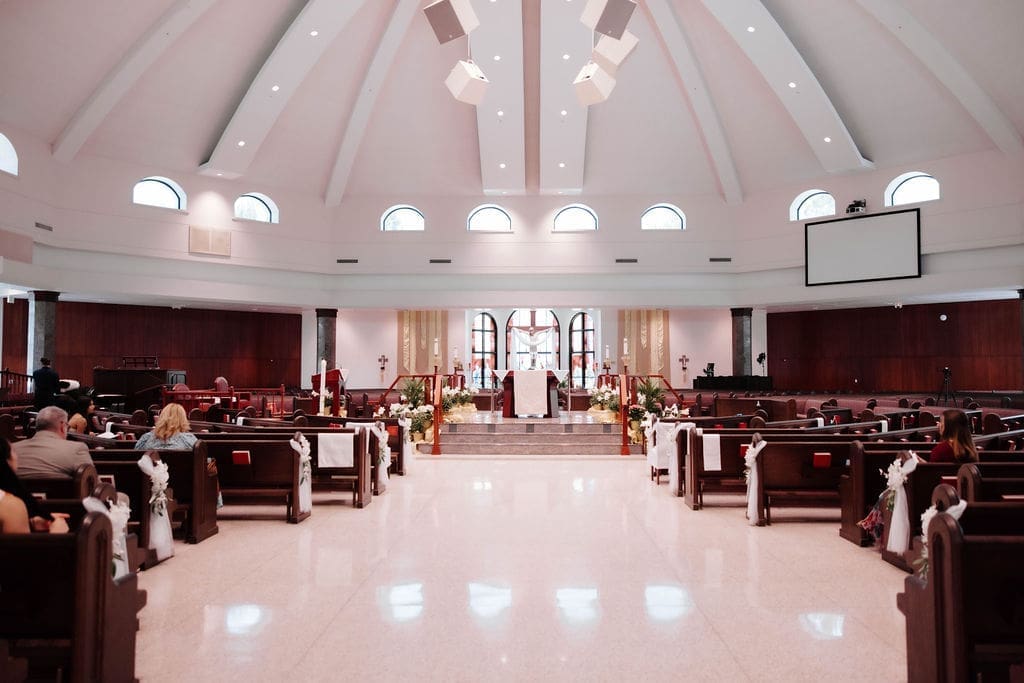
Why Couples Choose to Include a Wedding Gap
The biggest advantage of a Catholic Wedding Gap is flexibility.
If your church only offers a morning or early afternoon ceremony time, a gap allows you to still host the elevated evening reception experience you’ve been envisioning without forcing guests into an awkwardly early dinner and dance floor.
It also creates breathing room throughout the day. If you know anything about us at JJE, you know we love leaving white space to actually EXPERIENCE your wedding day.
Church ceremonies are usually longer and more formal than ceremonies hosted outside of a church. Giving guests a chance to recharge before transitioning into full celebration mode can actually improve the overall energy of your reception.
If planned right, the gap can allow guests to:
- Go home and freshen up
- Grab coffee or food
- Reset before the reception festivities begin
And honestly? You as the newlyweds benefit from this pause too.
Your Wedding Gap creates valuable uninterrupted time for formal group photos, newlywed portraits, transportation logistics, and even a sweet moment alone to soak in the “just married” energy together.
Some of the sweetest wedding-day moments happen during this in-between time because it’s often the first opportunity you have to actually slow down, breathe, and process the fact that you’re OFFICIALLY MARRIED!
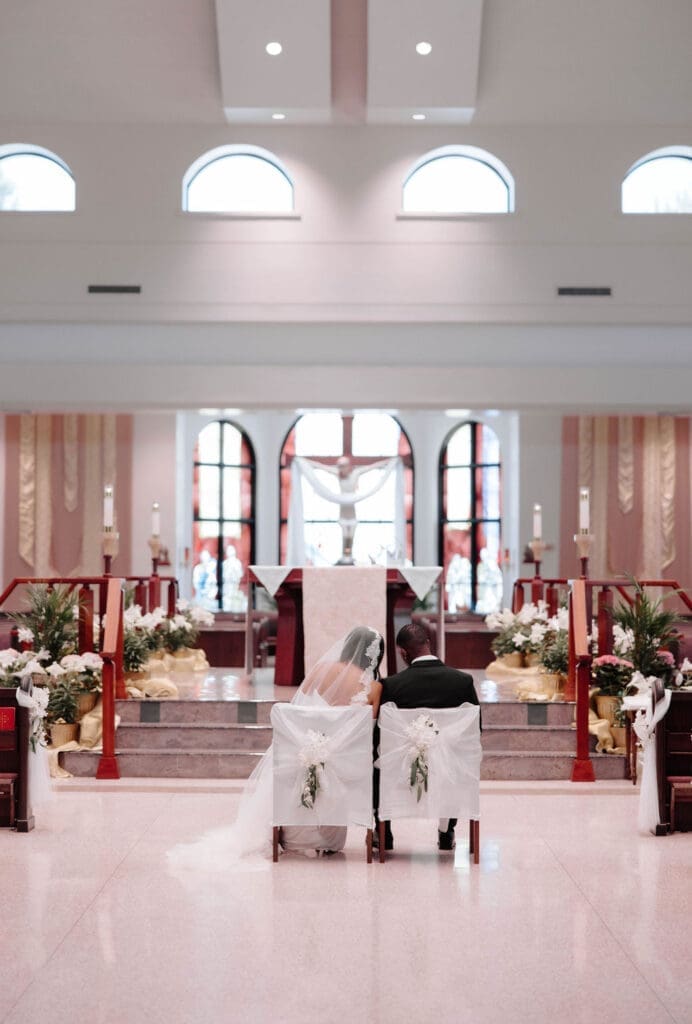
But The Reality is Wedding Gaps Aren’t Perfect
The issue is rarely the gap itself.
A poorly planned Catholic Wedding Gap can leave guests feeling confused, stranded, bored, or frustrated… especially if they drove all the way across town for the ceremony and don’t actually have somewhere nearby to “go relax.”
This is especially important in large metropolitan areas like Phoenix, where local guests could easily live 30-45 minutes away. What looks like a lovely break on paper can quickly become a stressful logistic for your guests to plan around.
That’s why strategic communication matters so much.
Your guests should clearly understand details like:
- Exactly how long the gap is
- When reception doors open
- Transportation expectations
- Suggestions for what to do during the break
One of the most common pitfalls for a Catholic Wedding Gap is guests arriving at the reception venue before the doors unlock, because they didn’t know what to do with the free time.
These details may feel small, but they significantly impact how cared for and present in the moment your guests FEEL throughout the day. So let’s be sure to troubleshoot common pitfalls before they become your wedding-day reality.
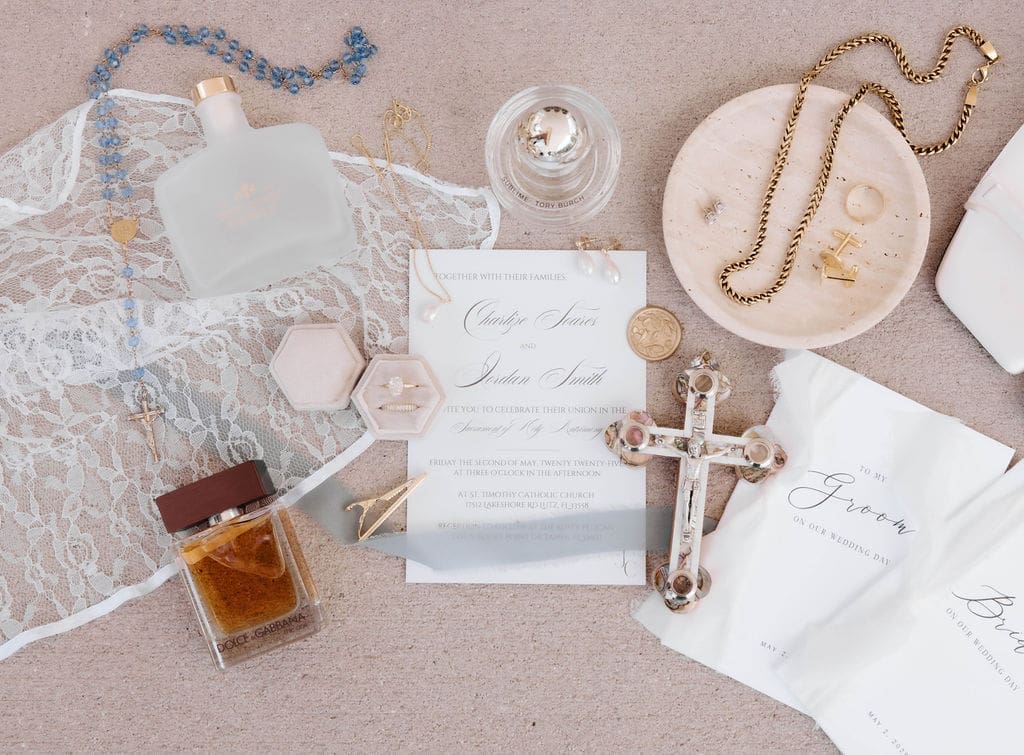
How to Make a Wedding Gap Feel Intentional Instead of Awkward
The best Wedding Gaps feel like a thoughtfully designed intermission rather than dead space in the timeline. When you attend a theatre performance, what can you expect from the best intermissions?
- Somewhere comfortable to relax, near the main stage festivities
- Food and beverage options available
- Opportunities to connect with other theatre-goers
- Feeling like the pause is still connected to the main story
- Not dragging on too long, because we are here for the big event afterall
Just one example of a perfectly planned Wedding Gap?
Send all your guests to the coffee shop where you officially put a title on the relationship early on, to re-energize with their favorite drink on a pre-paid tab. Coordinate with the coffee shop to set out a small sign, giving guests a glimpse into the roots of your love story and suggesting a couple signature drinks. When reception doors are about to open and your guests are re-caffeinated, have the wedding party invite guests to meet them at the reception venue across the street to jump right back into the festivities!
The creative possibilities are endless for translating these intermission expectations into your Catholic Wedding Gap!
Option 1: Create a True Break
If many of your guests are staying at your hotel block or live reasonably close to the venue, you could easily leave true down time between events.
This works best when:
- The timing is intentional
- The gap is clearly communicated
- Guests have enough time to actually make the most of the break
Generally, gaps that are too short create more stress than convenience because guests feel unsure whether leaving is even worth it.
Option 2: Extend the On-Site Cocktail Hour
Instead of sending guests away entirely, you can host an extended cocktail-hour experience directly at your reception venue.
This creates continuity while still affording you the extra photo and transition time.
Think:
- Live music
- Lounge seating
- Interactive food stations
- Signature drinks
- Intentional activities for guests to engage with each other AND your love story
This option works beautifully for couples who want a seamless luxury guest experience without a full break in the day. The key here is communication, so guests are aware of the long cocktail hour in advance.
Option 3: Plan a Transitional Group Experience
This is one of our favorite approaches for destination weddings or celebrations focused on guest-experience.
Instead of leaving guests to figure out the gap on their own, intentionally coordinate a full transitional experience between ceremony and reception.
For example:
- A scenic city tour
- A private group wine tasting
- A cultural activity tied to your heritage or love story
Not only does this create maximum ease for the guest-experience, but it just might become the most talked-about part of the wedding day itself!
It transforms “waiting time” into an opportunity to intentionally host your guests, share details from your love story, and shift into celebratory reception vibes.
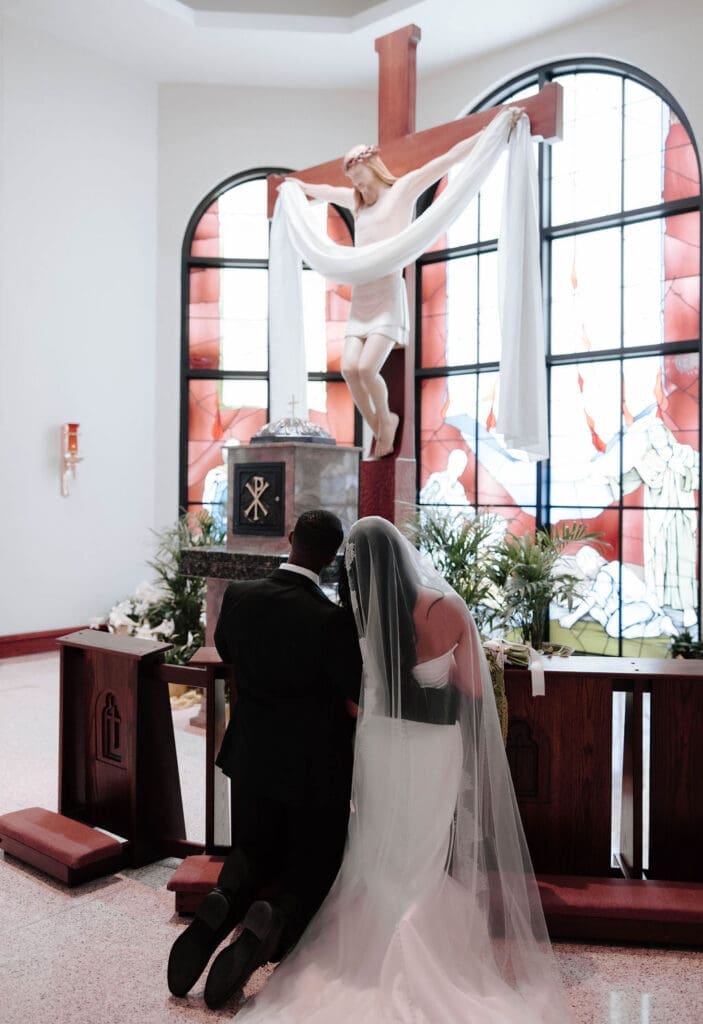
So… Should You Have a Wedding Gap?
The Catholic Wedding Gap requires intentional planning and a few extra logistics to do it right, but it’s not automatically a bad idea. There are lots of benefits to including a gap in your wedding day timeline!
For many couples, it creates a far more relaxed, enjoyable, and elevated overall wedding experience. But like most things in wedding planning, successfully pulling it off comes down to intentionality.
When the guest experience is thoughtfully considered, communication is clear, and the timeline is strategically designed, a Catholic Wedding Gap can create space for meaningful moments, smoother logistics, better photos, and a more energized reception atmosphere.
At Joyful Journey Engagements, we believe in highly personalized wedding timelines built around your personal wedding vision, priorities, and logistics. Which is why there isn’t a standard answer for if you should include a wedding gap for your church wedding.
The best wedding days don’t feel rushed and don’t feel templatized. They feel highly personal, with intentionality poured into every detail of the day.
If you’re dreaming of a wedding day that feels THIS personal, inquire today and let’s make it happen!
By Danielle Verdezoto, JJE Founder & Senior Planner
Be the first to comment