First things first, it’s NOT just a corporate event. It’s a relationship-building EXPERIENCE.
That is the very first mindset shift that needs to happen, before you can actually start laying the groundwork for an event that’s truly relational. The person tasked with planning your event needs to not only be an event professional who understands the nuances and impact of flow, design, and content, but also needs to be deeply aligned with the mission of crafting an impactful, relationship-driven experience.
Understanding the Transactional → Relational Shift
The most successful corporate events are no longer designed around delivering X in exchange for Y. They’re designed around relationship-building.
A transactional event asks, “What do we need to deliver? What are we hoping to get from our guests out of this event?”
A relational event asks, “What relationships do we want to strengthen? What memorable experience can we provide for our guests that aligns with our event goals?”
I get it. It’s a fine line to walk between planning a people-focused experience and making sure your event funds actually help push your business goals forward.
That’s exactly why planning events that are strategic, intentional, AND human-centered is so important to us. Without strategy, events quickly feel frivolous and are the first thing to cut when budgets are tight. Without the human-centered focus that prioritizes relationship-building and guest experience, events inexplicably ‘miss the mark’ when measuring the impact. Intentionality enables a balance between strategic planning around business goals, and memorable experiences that support authentic connection.
Once you’re planning through the dual lens of truly understanding events and considering how each small decision will impact the overall experience, alongside the relationship-driven perspective that prioritizes the guest or attendee experience above all… the rest comes easily.
What can we learn from the Gen Z ‘soft clubbing’ trend?
Let’s talk about the popular ‘soft clubbing’ concept real quick. Bear with me, I PROMISE this Gen Z trend will actually impact your company’s events.
What is soft clubbing? In true Gen Z style, we asked Chat GPT and this is what we got:
“Soft clubbing” is a social trend that reimagines traditional nightlife by focusing on connection, atmosphere, and well-being rather than loud music, heavy drinking, or staying out until 2 a.m.
Think of it as the difference between:
- Traditional clubbing: high-energy, alcohol-centric, late-night party culture
- Soft clubbing: intentional socializing, experiential entertainment, and connection-driven gatherings
The trend has become especially popular among Millennials and Gen Z, many of whom are drinking less and seeking experiences that feel more authentic, health-conscious, and relationship-oriented.
At JJE, we’re not usually into bandwagoning off of the trends, but we are ALL about this one. And truthfully, it’s not this groundbreaking, new concept. This is the type of corporate events we at JJE have always loved.
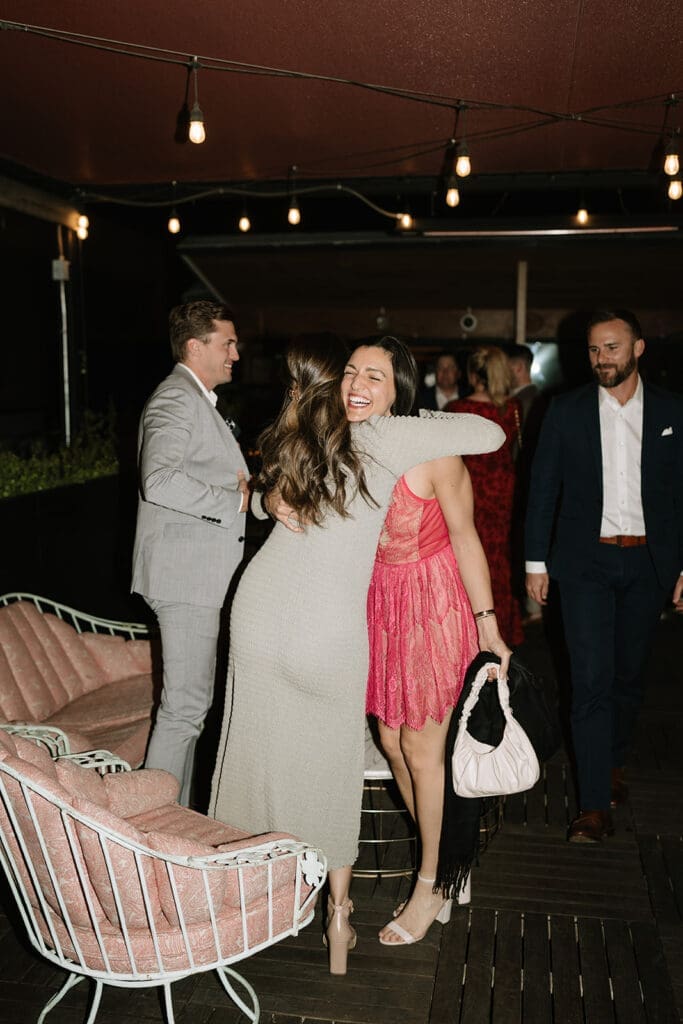
Nonetheless, Millennials and Gen Z are increasingly choosing to dedicate their free time to memorable experiences that prioritize frictionless relationship-building, authentic conversations, and activities that don’t hinge on having an aesthetic cocktail in hand.
What does this mean for you and your company events?
Well, there are 3 main takeaways to be mindful of:
- Make RELATIONSHIP-BUILDING easy.
- Your event should incorporate thoughtful content, design, and wow factors that get people talking! Gone are the days of introverts rehearsing their conversation starters in the parking lot before walking in. Give your guests something REAL to talk about, and build a shared memory around right then and there at your event.
- Make DEEPER CONVERSATIONS easy.
- What details can you incorporate into your event that help guests fast-track the awkward small-talk? Assign your team to noticing isolated individuals and introducing them to a new group of guests. Task your keynote speaker with offering a few thoughtful questions for attendees to ponder and exchange ideas on after the presentation. Include a few conversation starters on each cocktail table. A few small, intentional details can completely transform the atmosphere at your event.
- Make ‘CLUBBING’ easy.
- Of course, by clubbing, we mean any sort of social activity that isn’t standing in the bar line. Some structured events make this one simple, like a seminar or symposium that offers a central activity, theme, and time to engage with peers. But for more social corporate events, you may need to get creative. There are plenty of mobile activities that can come to you, wherever your event may be, or you can choose your venue with an optional activity in mind from the start. Think pickleball event complexes, murder mystery dinner crews, arcade venues, bowling, or even escape room team outings.
Knowing what your guests are looking for personally should change EVERYTHING about how you approach your corporate event. Even if your guests will come either way, and even if it’s a mandatory company event, we know people are now craving authentic, relationship-focused experiences over transactional events. So let’s be sure we’re planning an event with that in mind, so the time and money invested will earn you positive feedback and provide an impactful outcome to support your company goals.

Measuring Event Success of Relational Experiences
Finally, don’t forget to measure the success of your event by the relationships built and the quality of the guest experience. These are the true performance indicators for a relational experience. Tangible business outcomes are important to measure, but focus on them too much in the short-term and you’re right back to a transactional mindset that ultimately hinders the success of your event.
Relationships are what drive collaboration, retention, referrals, partnerships, and culture. We as a working society have always understood this. As the age-old saying goes: “it’s not about what you know, but who you know”. Beyond that, business is not just about the product or service you sell. It’s also about brand reputation, visibility and who knows YOU.
That is why relational events are so important. When you stop measuring your event solely by attendance and start measuring it by the connections it creates, you’ve officially made the shift from transactional to relational.
By Danielle Verdezoto, JJE Founder & Senior Planner
Be the first to comment